After The Event: What Stood Out From 'The Atlanta Question'
ATLANTA, August 26 (Hypepotamus) - The talent. The universities. The founders. The funders. The customers. The programs. The relatively low living expenses. The affordable cost of doing business.
Atlanta has the elements to be the best place to start and scale a tech business.
So, why doesn't everyone stay?
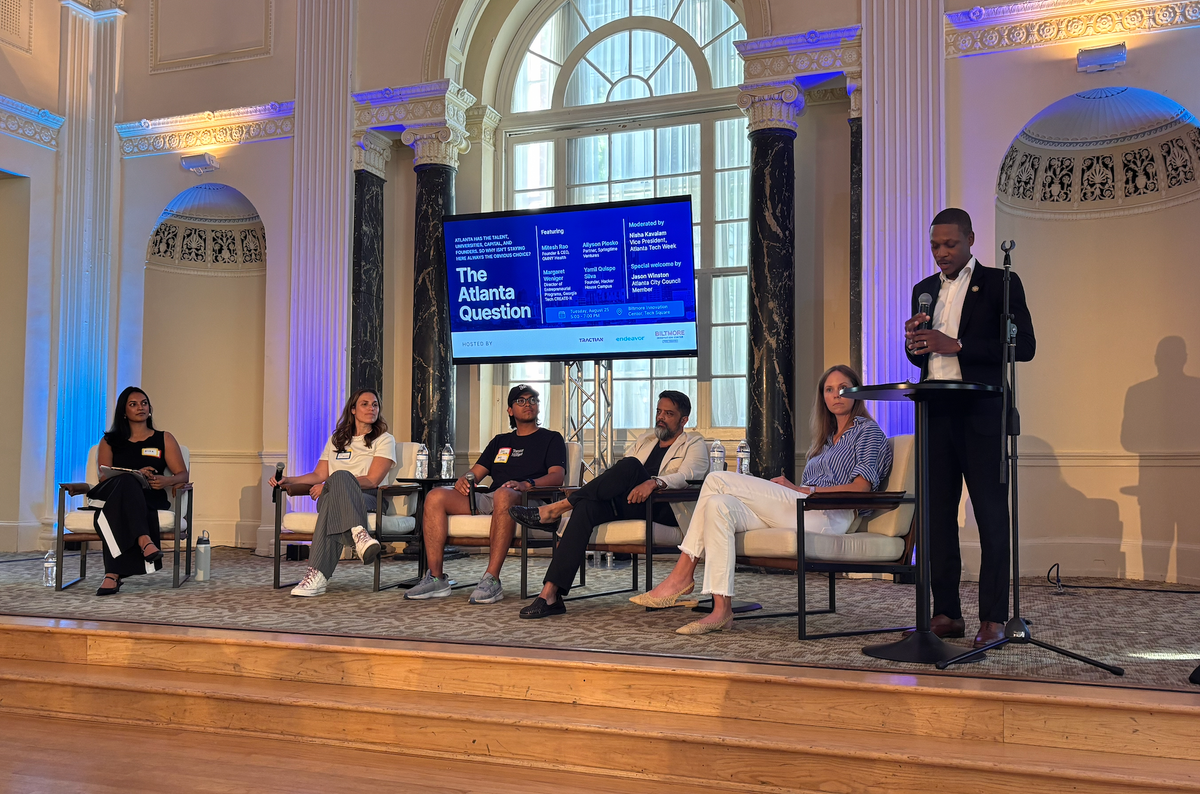
That was the question at the center of The Atlanta Question, a panel discussion held last night at the Biltmore Innovation Center. The conversation brought together perspectives from across Atlanta’s startup ecosystem, including venture capital, university entrepreneurship, early-stage company building, and growth-stage leadership. And unlike many ecosystem conversations, the discussion was pitched to attendees as less about listing Atlanta’s strengths and more about examining the gaps that still make it difficult for companies to build here for the long haul.
The biggest themes? Atlanta’s funding “middle” remains thin. Founders may need to think bigger when pitching investors. Georgia Tech is becoming a stronger magnet for entrepreneurial talent. And even some of Atlanta’s traditional advantages, including access to technical talent, are getting more complicated as the ecosystem matures.
Here are some quotes and ideas that stood out to us:
We (Still) Have To Talk About The Capital Missing
It’s possible (with the right networking and work) to find the angel investors, seed funds, accelerators, and university programs in town to help you scale. The problem becomes more pronounced once those companies start growing.
Mitesh Rao, CEO of OMNY Health, moved his company here from the Bay Area to take advantage of the tech talent in town. But he’s noticed the missing capital piece here. Rao sees a particularly noticeable gap locally around the Series A through early Series C stages.
“Early on, seed capital, angel capital [is] relatively abundant in most cities,” Rao said. “The challenging part is when you get to the later stages...there's a missing middle ground of that A to B to maybe even the early C.”
That challenge is even tougher in the current AI valuation realities, Rao added.
For Rao, solving that funding gap is central to whether Atlanta can become a true scale-up city.
“I want founders, as they come up with great ideas here in the Atlanta area, to feel like this can be a long-term home,” he added. “I want them to feel like this is a place they can scale a business.”
 Maija Ehlinger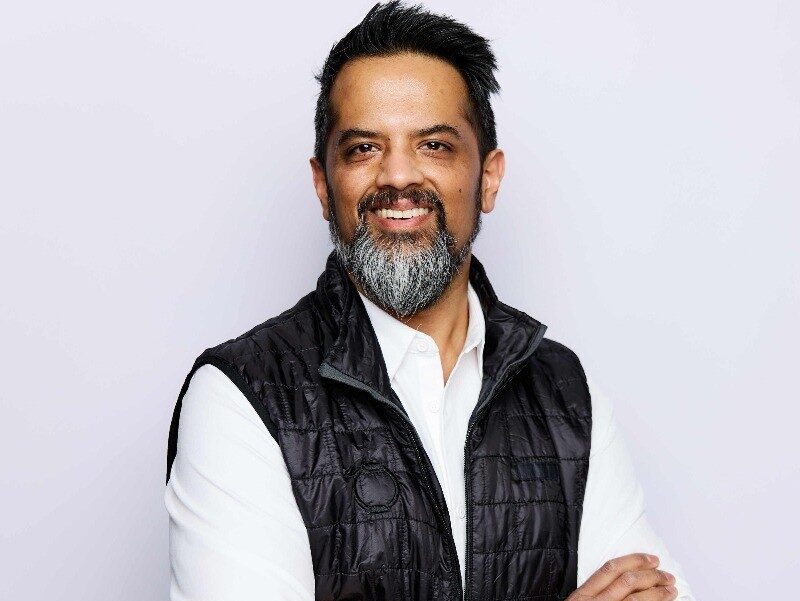
Does Success Squeeze The Talent Pool?
But Rao also pointed out a current problem his growth-stage company is having.
And that is the fact that it is getting harder to compete for strong local talent, noting that even in the last few years he’s noticed it is getting more competitive as more growth-stage companies and larger technology employers are coming to Atlanta specifically to hire talent. That reality has made OMNY open up roles to more remote positions, not just ones located near their Atlanta HQ.
The Good News? There's a “Magnetic Effect” For Local Entrepreneurship
Margaret Weniger, Director of Entrepreneurial Programs at CREATE-X, told the audience that Georgia Tech is seeing a rise in out-of-state students specifically interested in going to the university to take advantage of its entrepreneurial programs.
She said roughly 21,000 of Georgia Tech’s 68,000 applicants this past year mentioned entrepreneurship as something they were interested in.
She called it a "magnetic effect” that is bringing more early-stage entrepreneurs to town, Weniger said.
But there is still the conversation among Georgia Tech founders around whether to stay in Atlanta and build…or head out to San Francisco.
Increasingly, the founders coming in to speak to budding student entrepreneurs are telling them it is not necessarily needed. And that is a flip from even a few years ago.
“What we're hearing…is that it's good to go [to The Bay] to build relationships, but maybe not build there full time,” she said.
San Francisco still has the capital and the talent density that Atlanta does not have. But Winiger’s point is that now, founders can tap into that network without automatically relocating their companies.
 Neema Tavakolian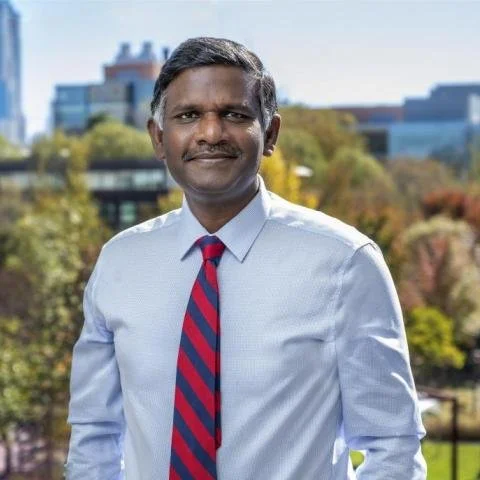
“You Need To Hype Yourself Up”
Another trend that came up during the panel? Atlanta’s more conservative business culture can help companies operate efficiently. But it can also hurt founders in a pitch meeting.
Allyson Plosko, a seed-stage investor at SpringTime Ventures, said she often sees Atlanta founders approach investors with an “underpromise and overdeliver” mentality, playing into the risk-averse attitude found in Atlanta.
But that doesn’t always translate well in the venture world. Founders often want to sell investors on proof points.
“But when you're trying to raise your first round of capital, you don't always have that,” she said.
Her advice? Atlanta founders need to get better at selling the vision.
“You need to hype yourself up,” she said. “You need to tell that bigger vision of how, if your business is successful, the world changes in 10 years.”
 Maija Ehlinger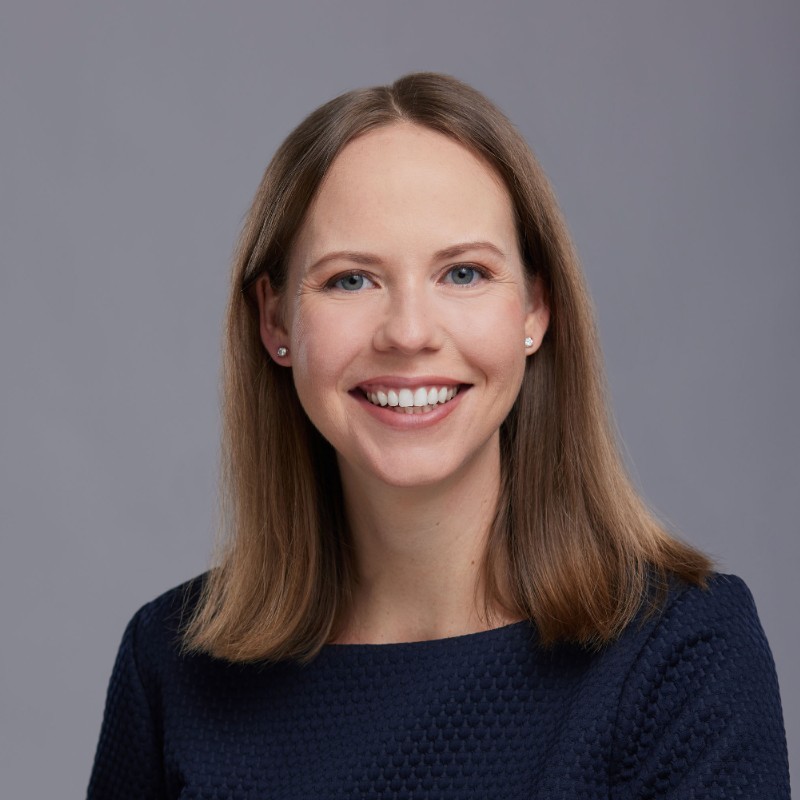
Notes From The Crowd
The conversation about 'The Atlanta Question" continued well beyond the panel.
During the Q&A and networking afterward, a few comments and questions kept resurfacing from those in attendance:
- People seemed genuinely hungry for a conversation that was less “Atlanta is great” and more “here’s what Atlanta still needs to fix.”
- Some founders feel Atlanta investors demand more traction than investors in larger venture markets, which works to the ecosystem's disadvantage
- The ecosystem still feels under-connected to some, despite having plenty of programs, investors, corporations, and founders around
- There is a lot of attention paid to how many startups Atlanta creates, but much less to what happens to those startups three, five, or seven years later. At what point does the ecosystem start addressing its startup failure rate?
- ...is Atlanta actually that affordable anymore? An aspiring homeowner in attendance said "not at all."
Now, let's hear from you
Do you have thoughts on "The Atlanta Question?" Have you (or are you considering) a move out of the city to build your startup? We want to hear your perspective! Reach out here.
See more Hypepotamus stories in your search results