Calendly changed how we get meetings on the books. How is it evolving in our AI Agent world?
ATLANTA, October 20 (Hypepotamus) - There are few homegrown success stories from Atlanta on par with Calendly. The work productivity and collaboration-focused software, which was founded by Tope Awotona in 2013, scaling to a unicorn company with a small amount of outside capital. The company also transformed how companies across the country do business, helping turn long email threads about availability into a streamline experience.
But as every knowledge worker knows, booking the meeting is only one part of the frustration. You still have to prepare, take notes, and make sure next steps are followed through on.
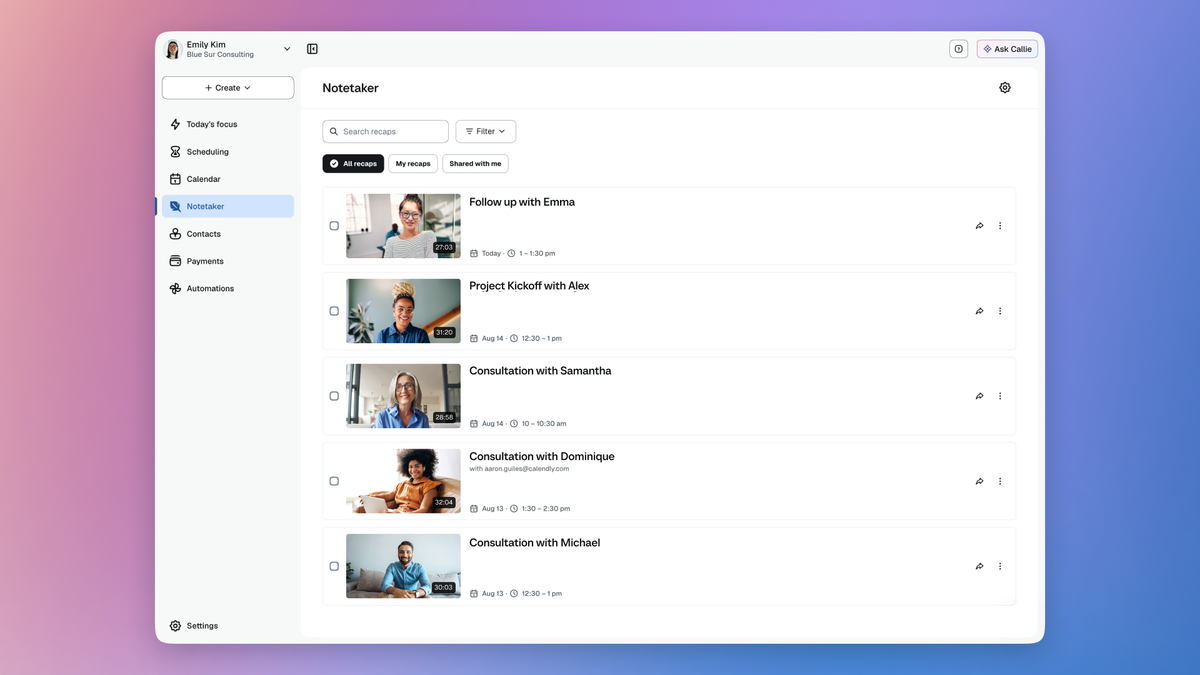
Calendly has been building out that future of work process, with a new suite of AI tools designed to handle more work. That includes its Notetaker which captures conversations and generates recaps and action items, while Callie, its AI assistant, can coordinate scheduling directly in an email thread.
Hypepotamus spoke with Shane Murphy-Reuter, Calendly’s president of go-to-market, about how customers shaped the products, what its AI investment means for its roughly 500-person team, how it is competing in the crowded AI market, and why Atlanta remains central to the company’s story.
Here is our Q&A with Murphy-Reuter:

PlayerZero is an AI production engineer that builds a living model of how your software actually works.
Question: I’d love to learn more about the process of building Notetaker and Callie. How long were these products in development, and what did you learn from customers during that process that shaped what ultimately launched?
Answer: “These are two very different product development stories. Notetaker was our first AI product, and we had to build foundational AI capabilities from scratch before we could bring a reliable and smart AI product to market. Notetaker has actually been in development for about two years. The first year building the underlying technology, the second rolling it out incrementally, cohort by cohort, gathering feedback and expanding before our recent GA on August 19th.

On the other hand, when developing Callie, we had the benefit of building on top of the foundation we used for Notetaker plus over a decade of scheduling expertise, allowing us to move faster. We started building Callie at the start of this year, prototyping with small customer groups until we had the confidence to launch alongside Notetaker. So these were two different products on different timelines, but building them shared the same principle: build incrementally in partnership with customers.
We think about AI the way the software industry evolved early on. People ask why build another AI assistant when others exist, and to that I say, it's the same reason there's more than one website builder. Different customer segments have specific needs that look small from the outside but matter enormously to them. Our customers are people whose businesses run on meetings, and that's a different problem than mass-market AI assistants or enterprise sales tools. We built Notetaker and Callie for our customers specifically.”
Question: Calendly built its name around solving scheduling. What gave the team confidence that now was the right time to expand beyond scheduling and into the broader meeting workflow?
“Our customers gave us that confidence. We have built a deep relationship with many of our customers, and they came to us for scheduling to remove the busywork from managing meetings. And once we'd earned their trust there, we started asking about the rest of their workflow. What we found was eye-opening. The same time-consuming, low-value tasks we'd solved for scheduling were showing up everywhere else in the meeting lifecycle. So we applied the same principle, starting with the most obvious gap — note-taking during the meeting — then extended it to what happens just before and after. The adoption and feedback we're receiving, especially with Notetaker, confirms our instinct was right.
Question: How big is the Calendly team today, and how has headcount changed as the company has invested more heavily in AI products?
“Calendly is made up of about 500 people and that number's been broadly flat for a while. While our size has remained mostly the same, what’s changed is the type of people that we have in the company today and their focus areas. We have been investing heavily in our AI talent, both on the product and engineering data side, because building and shipping these products requires a specific skill set. It's less about growing headcount and more about making sure we have the right skills in the building for what's next, which we have luckily been able to do.”
 Maija Ehlinger
Question: Calendly is one of Atlanta’s biggest software success stories. Is Atlanta still important for recruiting talent or building particular teams? Does Calendly still maintain an office or significant employee base in Atlanta?
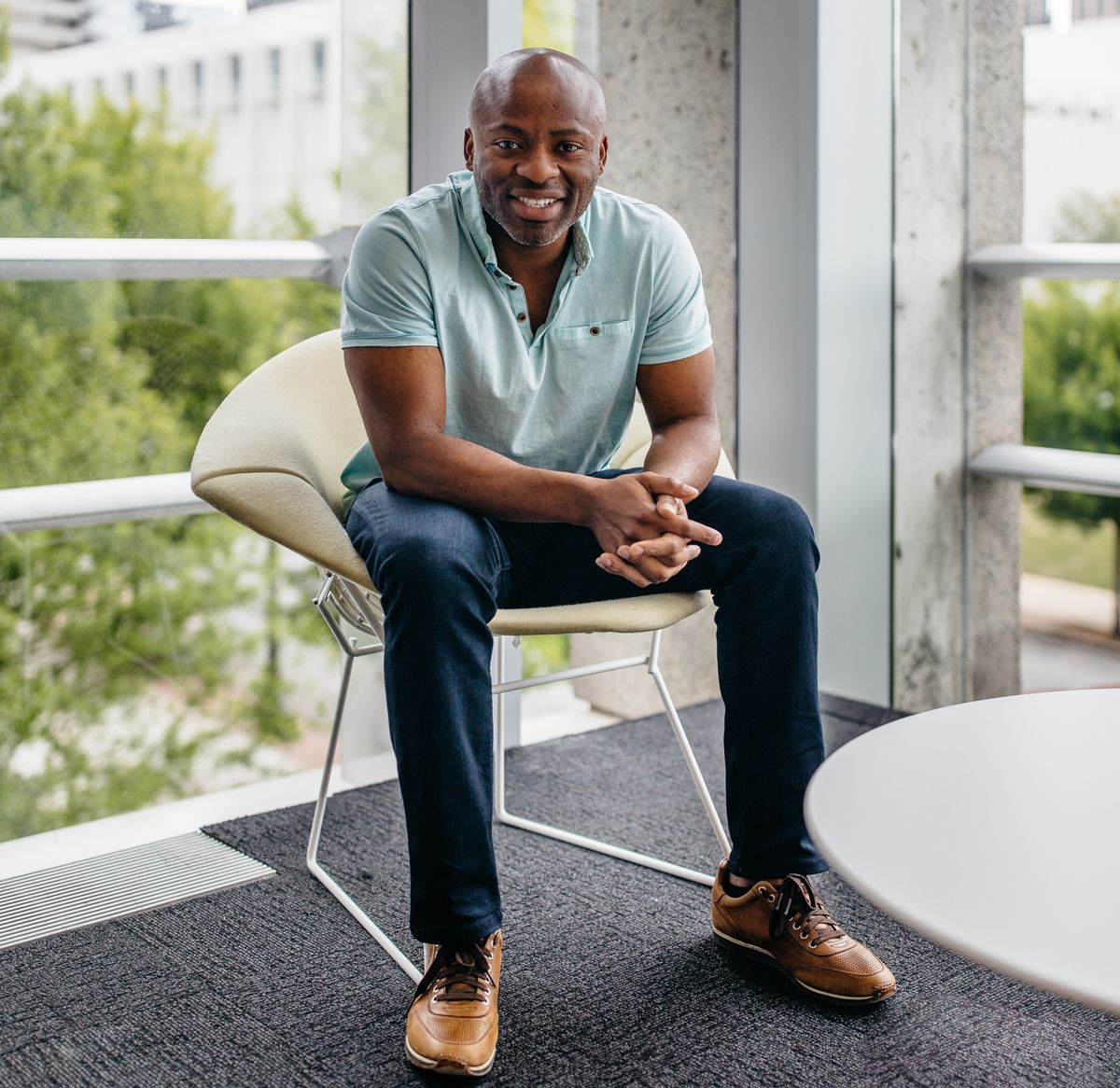
“Atlanta is still core to who we are. It's where Calendly was founded and where our Founder and CEO Tope Awotona still lives. We're a fully distributed company with people across the U.S., but Atlanta remains a meaningful hub for us relative to most tech companies. In fact, we had about 30 people in Atlanta for our internal launch celebration last week. It's not the majority of our headcount, but it's a strong center of talent for us.”