Want To Build Something? Kickr Labs Gives Atlanta Hardware Founders The Tools
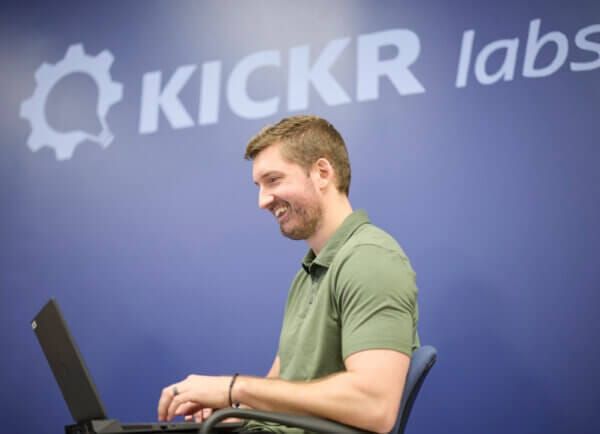
ATLANTA, August 28 (Hypepotamus) - Most coworking spaces will give you a desk, WiFi, and some coffee so that you can get to work. But that’s not what you’ll find at Kickr Labs, a new hardware product-focused incubator and workspace located near The Battery in Metro Atlanta.
Built by the team behind Atlanta product development and engineering firm Kickr Design, Kickr Labs is designed for entrepreneurs and early-stage teams working on physical products, which includes HardTech, MedTech devices, consumer products, and other hardware programs.

Make every text, call, and lead count. CallRail connects the dots between your campaigns, conversations, and customers.
The space combines traditional coworking amenities with access to engineering expertise, prototyping equipment, manufacturing resources, and programming for founders trying to move a product from an idea to something they can test, manufacture, and ultimately sell.
In other words, Kickr Labs is not really competing with Atlanta’s traditional coworking spaces. But it sees itself as solving a different startup problem for hardware entrepreneurs in the area.
How Kickr Labs Works
Members can join Kickr Labs in several ways depending on where they are in the product development process.
The basic option is a membership-based workspace, which starts at $250 per month. Members have access to coworking areas, desks, conference and breakout rooms, as well as amenities including an on-site gym. Membership also includes one hour each month with a Kickr engineer for technical guidance, design reviews, or brainstorming. Founders can also access business and product strategy office hours, discounted engineering and prototyping services, and optional SolidWorks workstations.
For teams that need to physically build products, Kickr Labs also houses an 8,000-square-foot Product Realization Lab. That includes equipment for 3D printing, laser cutting, woodworking, machining, welding, fabric work, and even injection molding. It can also accommodate short-term assembly and inspection work.
Access to the lab starts at $400 per month.
Unlike a traditional makerspace, the workshop is shared with Kickr Design’s professional engineering team and is geared toward startups working on prototypes, pilot production, and commercialization.
Kickr Labs is also rolling out several programs around the physical workspace.
Its Founder Accelerator Program will provide early-stage hardware companies with engineering and design resources, mentorship, and a curriculum. A separate Strategic Growth Program focuses on business strategy and scaling.
 Maija Ehlinger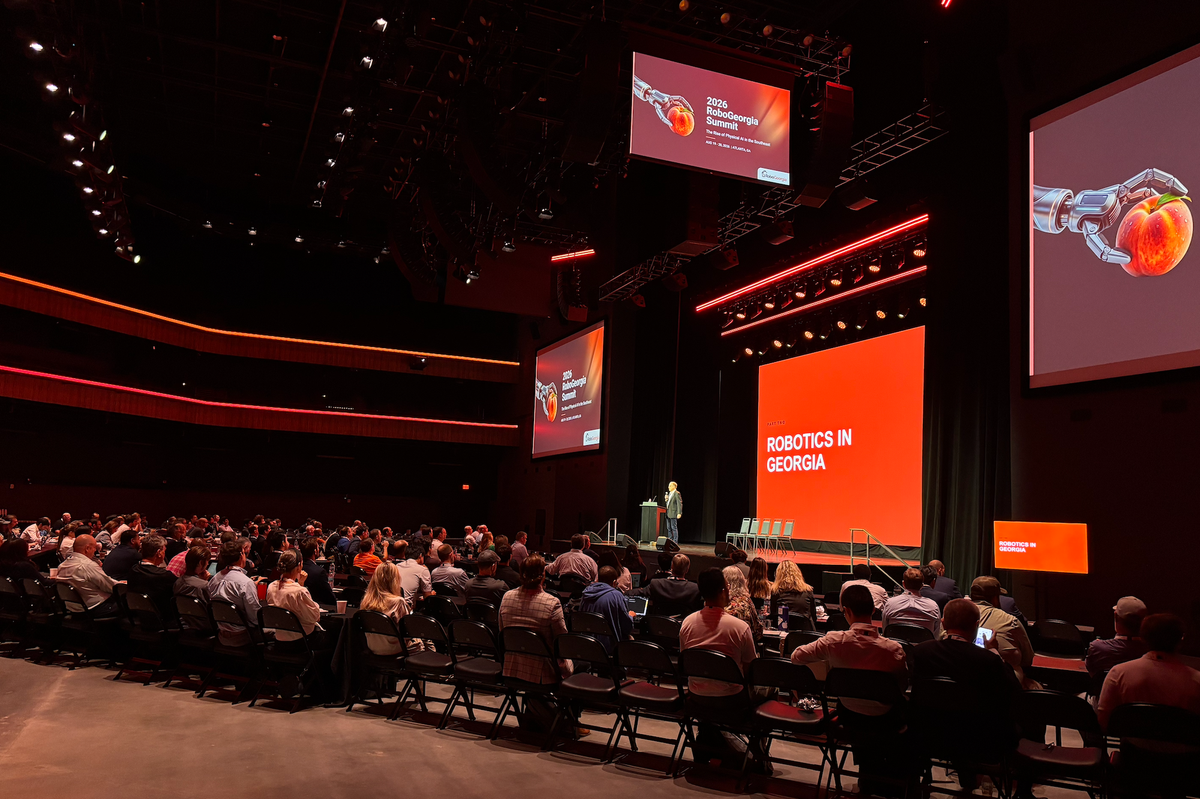
Why It Matters
For Atlanta founders building software, there is a well-established startup infrastructure of coworking spaces, accelerators, investor networks, technical talent, and programs.
The path has historically been more complicated for founders building physical products.
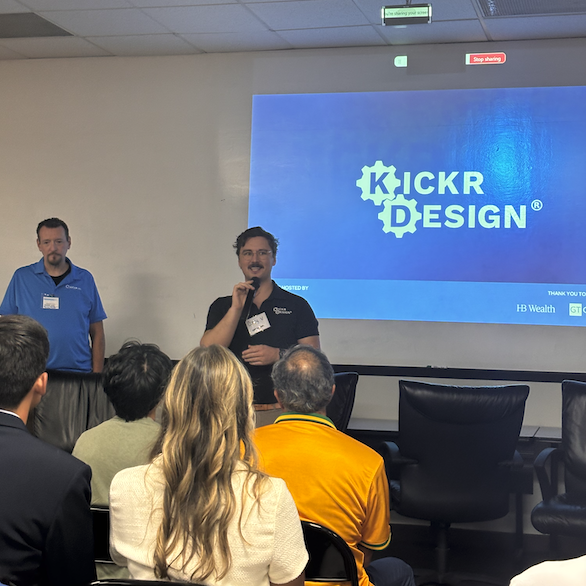
During an opening event for Kickr Labs on August 26, Hypepotamus heard from several founders about how difficult it has historically been to find the right combination of equipment, workspace, engineering expertise, and manufacturing knowledge needed to build a hardware startup in Atlanta.
"The hardware community in Atlanta has been a bit dispersed, but collaboration is growing quickly," Addison Shelton, Kickr's CEO, told Hypepotamus via email after the event. "I came to Atlanta 15 years ago for an ATDC company, and am finally seeing more true interest in driving hardware startups and hardware development here in Georgia."
Shelton pointed to RoboGeorgia, the Hardtech Hub, the work of people like John Boezi, as well as hardware-focused efforts at universities like Emory, Georgia Tech, and Kennesaw State, as signs that Atlanta's hardware industry is ready to grow.
"I am a hardware guy through and through, so for me the ability to contribute to attracting and keeping great hardware companies here in Atlanta is truly an honor, and I am really hoping Kickr can do its part to support the hardware, med tech and physical product founder and entrepreneurs in Atlanta and the southeast," Shelton added.
Shelton said that he would like to see about 100 companies "access and leverage the resources of Kickr Labs, from using our shop to joining some of our educational sessions to coming and talking to me and my team for mentorship and support at the intersection of engineering and business" over the next year.
See more Hypepotamus stories in your search results