
Beyond AI’s Hype and Doom, Spelman’s New President Ayanna Howard Pushes for a Reset
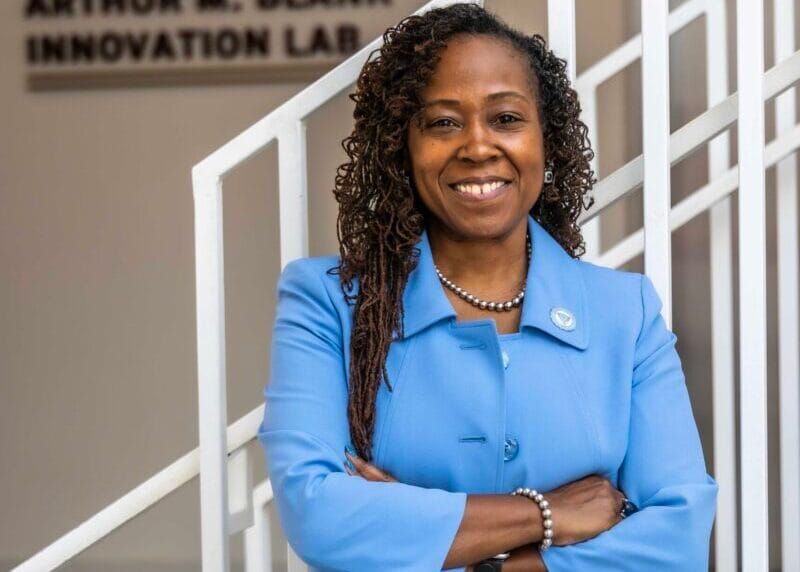
ATLANTA, November 10 (Hypepotamus) – When a computer crashes or a robot gets stuck repeating the same action, rebooting is often the first fix. Robotics researcher and Spelman College President Ayanna Howard, PhD thinks it is time to reboot our relationship with AI, too.
That is the argument behind her new book, aptly titled REBOOTING THE MACHINES, released today. For Howard, the work involves changing both the technology and how people interact with it.
“We need to reboot our relationship with technology, reboot our relationship with AI, and even retrain how we do certain things,” she told Hypepotamus.
That includes everyday behaviors, from searching for information to using voice assistants. Her message is that people have a role in shaping AI’s future, whether or not they know how to code.
Rewriting An AI Book For All
Howard spoke to Hypepotamus ahead of the book’s official launch and a few months after becoming the 12th president of Spelman College, a prominent HBCU in Atlanta and the nation’s oldest liberal arts colleges for Black women.
Keeping the manuscript current required three rewrites as the AI landscape evolved. But Howard wanted the book to reach beyond technical details and address questions that would remain relevant five or 10 years from now.
The book is also about addressing the extreme camps that she says people are falling into when it comes to thinking about and using AI. Some people predicted destruction. Others promised a technology that would make everyone’s lives better.
Howard, whose work with neural networks dates to 1994 at NASA, wanted readers to understand that technical expertise is not a prerequisite for participating in those conversations.
“People needed to feel like they had some power in this narrative,” she said.
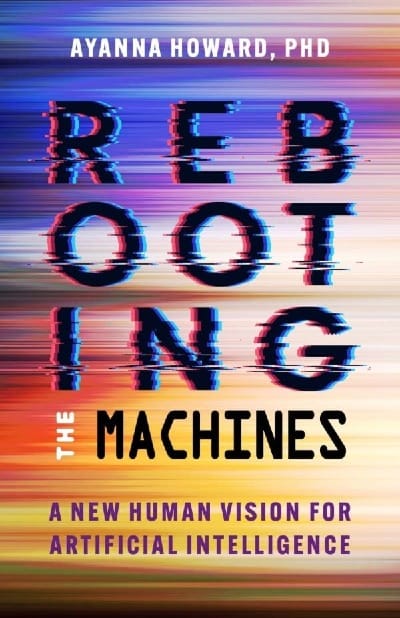
The book is written for those in STEM as well as those in the humanities and creative fields who want to take action and better understand their role within our evolving AI world.
For students, Howard hopes that message is particularly poignant. She said it is not uncommon to hear younger people say they will not use or engage with AI. But opting out, she argues, is not the right solution.
“I want them to have a healthy critical eye,” she said, while learning to ask better questions.
From NASA Robotics To Higher Education
Howard told Hypepotamus that she had planned to be “a lifer” at NASA. She had been working at the space organization’s Jet Propulsion Laboratory as a Senior Robotics Researcher for close to a decade when The Space Shuttle Columbia disaster occurred and halted her projects, forcing her to look at new industries.
Outside of the government, she said robotics research was really only happening in academia, automotive, and military industries. She decided to take the academic route, first joining the faculty at Georgia Tech and later serving as the Dean of Engineering at The Ohio State University.
She also has spent time in Atlanta’s startup ecosystem, co-founding a robotics and EdTech startup Zyrobotics that was featured in Hypepotamus in 2017.
 Maija Ehlinger
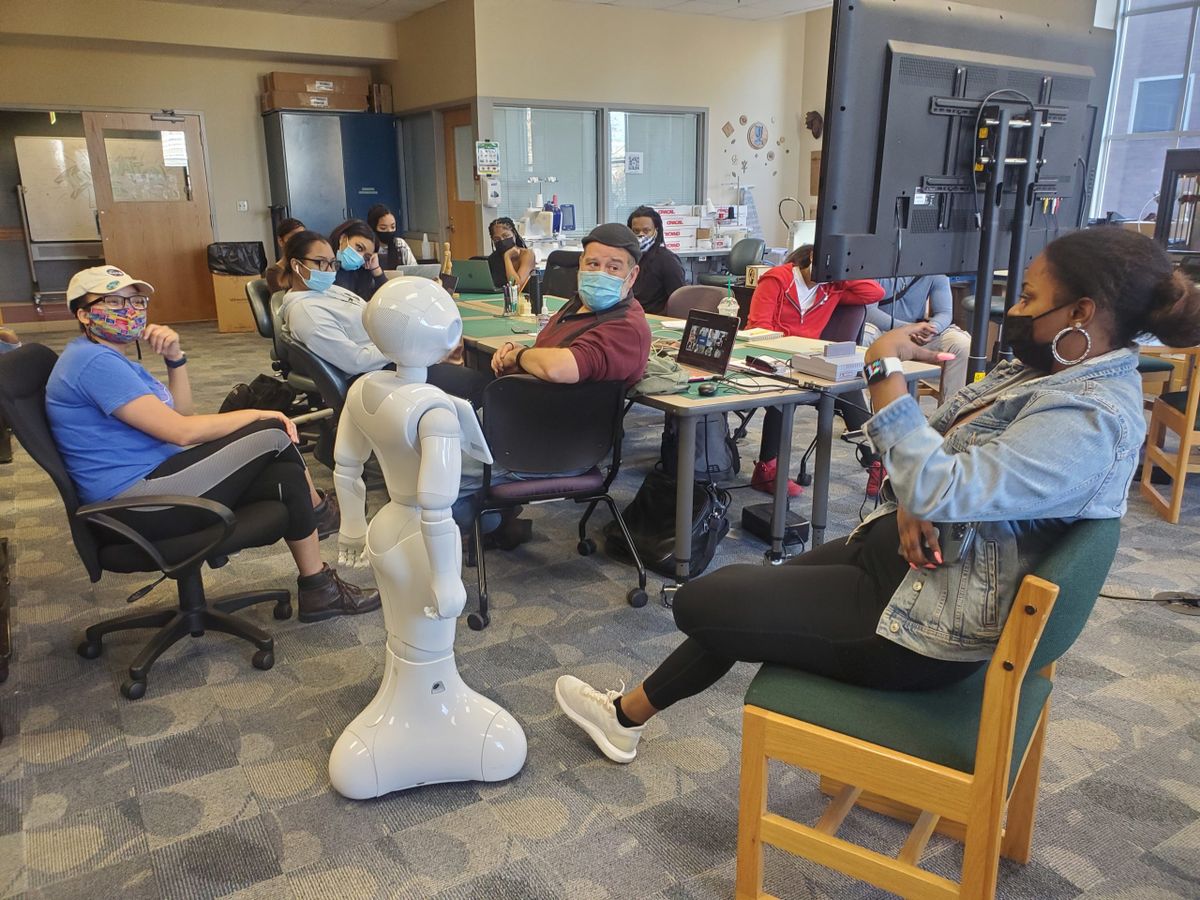
Howard joined Spelman at a time when higher educational institutions across the country are trying to figure out exactly what their future looks like in the AI Age. In 2025, Spelman announced a board-level committee focused on AI modernization, including integrating AI into academic and operational functions across campus.
While it is a liberal arts college, Spelman is known for producing STEM doctorates.
“We are a liberal arts institution, and that blend is actually what I believe will make us relevant as AI continues to adapt and change our jobs that are coming up,” Howard told Hypepotamus.
All book proceeds will go towards scholarships for Spelman students.
--
See more Hypepotamus stories in your search results
Featured photo from Spelman College's website