
In Asheville, A New Path Forward To Fund Startup Businesses Is Emerging

Asheville, July 24 (HYPEPOTAMUS) - Give away equity or take on debt financing. Those have been the typical routes founders who need money to scale can take. But a new fund up in Asheville, North Carolina, called Optimist Ventures, has a different idea…one that its CEO says can be a win for companies, investors, and the community as a whole.

Gridline helps advisory firms launch, operate, and scale private market investment programs through one integrated platform.
How The Model Works
Optimist Ventures is what CEO Jeffrey Kaplan describes as a venture philanthropy fund built in the aftermath of Hurricane Helene. It is structured as a blend of grants and investment capital in order to fill a gap left behind by traditional venture capital.
Kaplan built the venture philanthropy fund around a financial instrument he says didn't previously exist: the SPA Note, short for Shared Profit Agreement. Optimist Ventures pairs $50,000 in capital with a 14-week accelerator program, targeting companies with $150,000 to $2 million in revenue.
Selected founders, who all come from the Western North Carolina area, go through a multi-week accelerator program, powered by Venture Asheville. They also receive $50,000 split evenly between a grant and an SPA Note. Repayment runs over six years, calculated as a percentage of net profit up to a preset cap, generating steady quarterly returns for investors.
Most founders repay $36,000 on the original $50,000, and it is anticipated that investors can project a 13% return, according to Kaplan.
"These are obviously not angel or venture returns of 25 to 100x," Kaplan said. But, as he pointed out, it beats traditional stock market returns and offers a diversified investment option to investors.
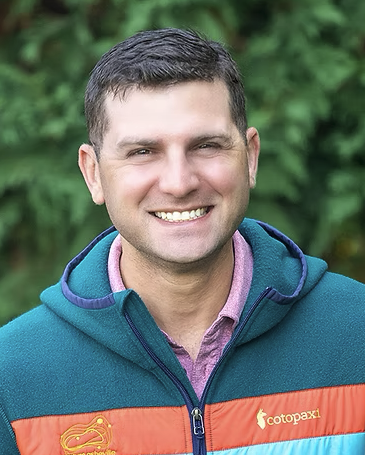
Kaplan said combining grant funding with investment capital improved the economics for everyone involved, including accredited investors and larger organizations backing the fund.
The fund does not charge management fees or take carried interest, a decision Kaplan said returns more capital to limited partners with each new fund.
"Every dollar stays in town," Kaplan said.
 Maija Ehlinger
Optimist Ventures targets what Kaplan calls "tech-enabled lifestyle businesses," or companies that use software to operate more efficiently and scale regionally or nationally, without chasing a venture-scale exit. These, Kaplan said, are the types of unique brands that help make Asheville’s business community what it is today.
The first cohort included six female-run businesses out of seven total. Cohort 2 drew 60 applications for 13 spots and those selected will begin the cohort later this summer.
Companies from Cohort 1, which took place in the summer of 2025, have already shown results. One business used its $50,000 to purchase refrigeration equipment, allowing it to scale into wholesale operations and become a supplier for a local Michelin Guide restaurant. Another cohort member, Legally Addictive Foods, landed a partnership with JetBlue following the accelerator and investment.
Filling A Gap Traditional Venture Capital Misses
Optimist Ventures doesn’t follow conventional venture math, as Kaplan explained. Traditionally, investors expect 9 out of 10 portfolio companies to fail, banking on one outsized win to cover the losses. That model doesn't support solid, profitable businesses that will likely never generate billion-dollar exits, like solid CPG companies and wellness brands that are popular in Asheville’s entrepreneurial ecosystem.
That absence of a path to a “big” IPO or exit has impacted smaller business ecosystems like Asheville, making it harder to attract VCs, Kaplan explained.
"Our job is to maximize wins," Kaplan said.
What It Means For Asheville
Kaplan sees the fund's impact extending beyond individual companies. He said the investment dollars have allowed local businesses in Cohort 1 to scale and add employees to their payrolls, as they continue to build or rebuild post-Hurricane Helene.
Yes, the goal is to create strong, scaling businesses. But Kaplan also said it is about building up the region’s next generation of civic leaders. There is a volunteering component to the accelerator cohort, something Kaplan said is a “secret weapon” that helps founders move beyond the identity they have as a business owner and grow in the community.
 Maija Ehlinger
"I know our region's next philanthropists, our next civic leaders, our next council people…they're coming from our programs," Kaplan said.
Kaplan's goal for Asheville by 2030 is a reputation built on more than the city's outdoor and arts identity.
"I really hope, when we benchmark comparable cities, that we are known for incredible tech-enabled experiences," Kaplan said.
Could The Model Work In Larger Markets?
Kaplan said he does not think Optimist Ventures’ model is just for smaller markets like Asheville. He pointed to Atlanta and Charlotte as examples of larger, more diverse markets where funding gaps still exist.
"These are businesses in that in-between space that are maybe too early [for investors], too risky or small for a bank, or not scalable enough for angels. There's a lot of companies in that middle,” he added.
 Maija Ehlinger
See more Hypepotamus stories in your search results
Featured photo from Phyllis Lilienthal / Unsplash